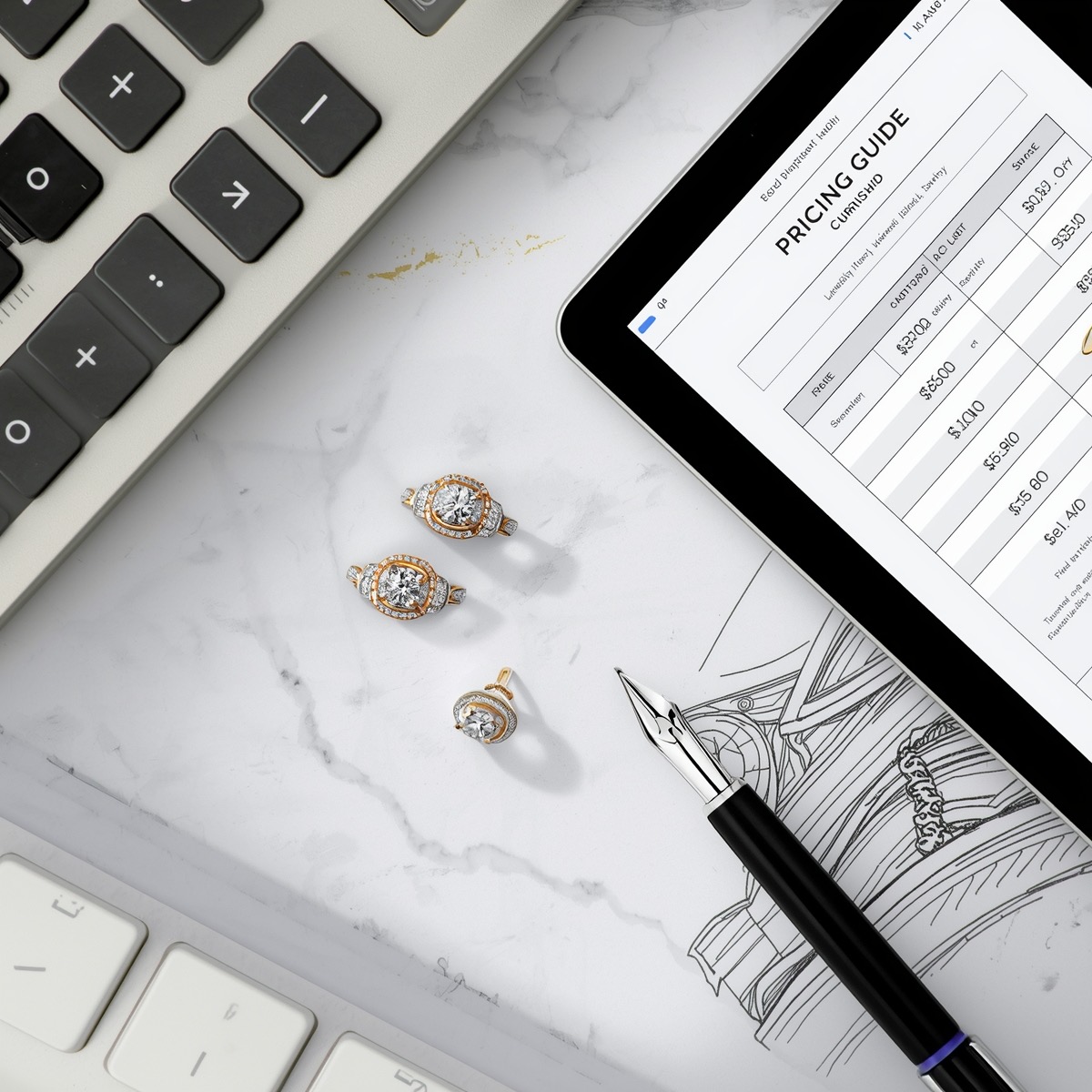

One of the most common questions we get from new clients is: How much does custom jewelry cost?
The answer depends on several factors, including materials, design complexity, order quantity, and packaging. If you are starting a jewelry business, understanding these cost factors can help you plan your budget and avoid unnecessary risks.
In this guide, we’ll break down everything you need to know about custom jewelry pricing.
What Affects the Cost of Custom Jewelry?
1. Base Metal & Material Selection
Your choice of base metal is the foundation of your product’s retail price and brand image. It’s a balance between affordability and perceived luxury.
- Solid Gold (10K/14K/18K): The ultimate premium choice. Cost is determined by daily market gold fixings and weight. Best for investment-piece collections with high retail margins.
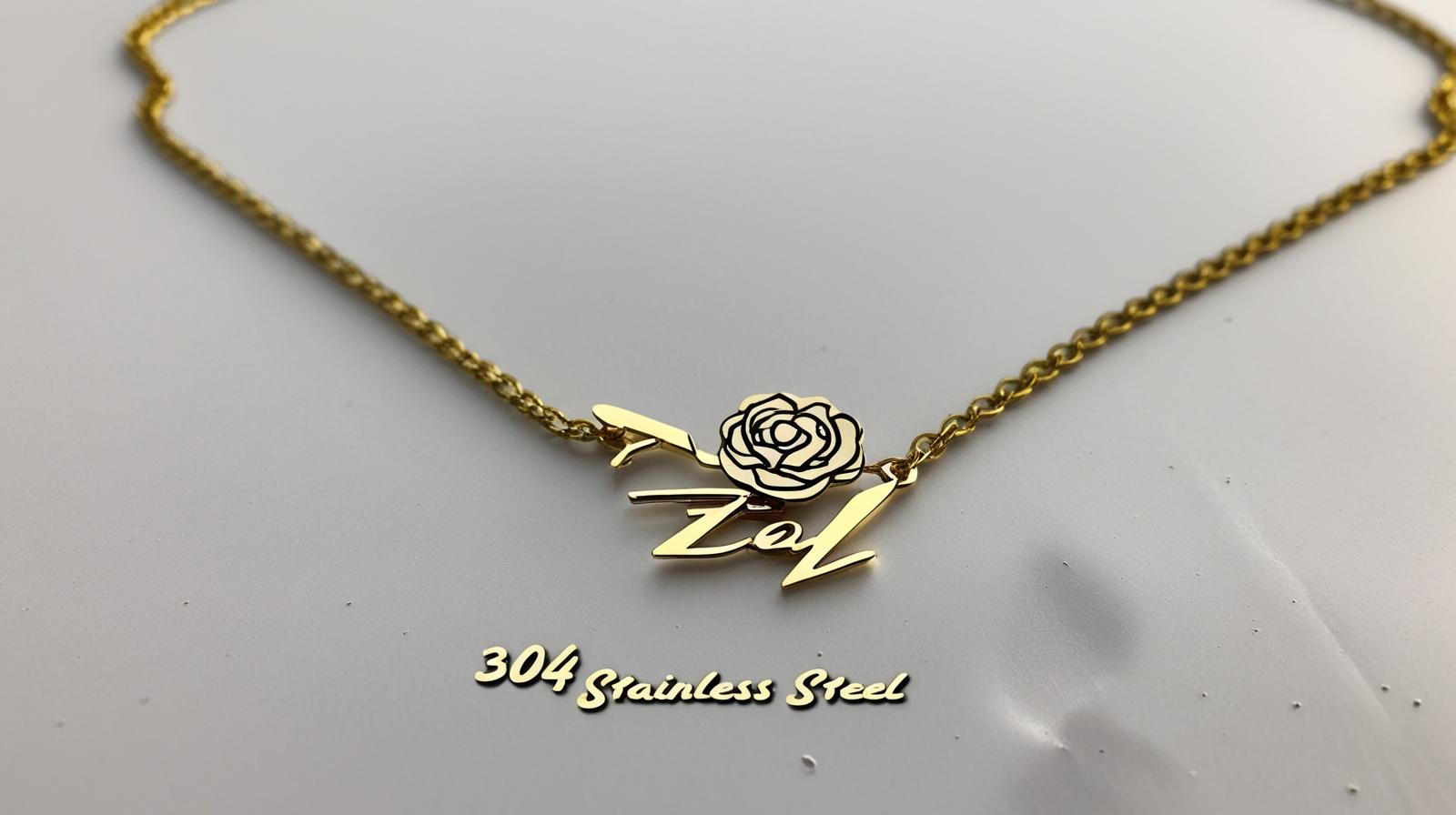
- Stainless Steel (The Affordable High-Performance Option): Extremely durable and tarnish-resistant. It’s the best choice for entry-level streetwear or unisex jewelry due to its lower raw material cost and high production efficiency.
- Brass (The Mid-Range Versatile Base): Softer than steel, allowing for more intricate, detailed designs. It’s the industry standard for high-street fashion brands who want a gold-like look at a fraction of the price.
- 925 Sterling Silver (The Fine Jewelry Entry): A precious metal that adds immediate intrinsic value to your brand. It’s essential for brands targeting the “Demi-Fine” jewelry market, where customers expect quality and skin-friendly materials.
2. Design Complexity & Craftsmanship Standards
When calculating your cost, “complexity” isn’t just about the shape of the jewelry—it’s about the labor hours and the technical precision required to make the piece market-ready.
How specific techniques impact your unit price:
- Structural Integrity (CAD): Complex 3D designs require professional CAD modeling to ensure the piece is structurally sound. A well-engineered CAD file might cost more upfront but saves money during mass production by reducing metal waste and casting errors.
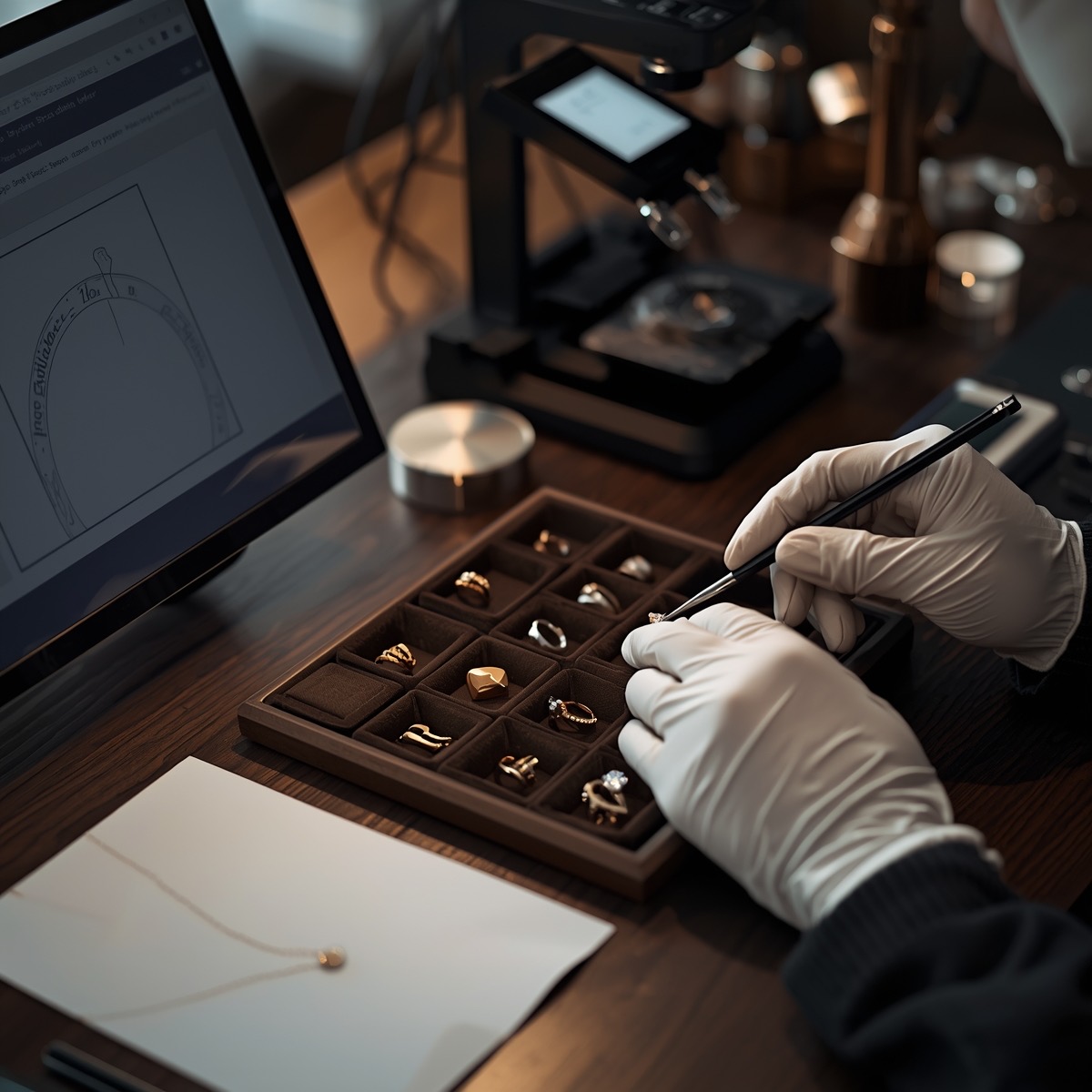
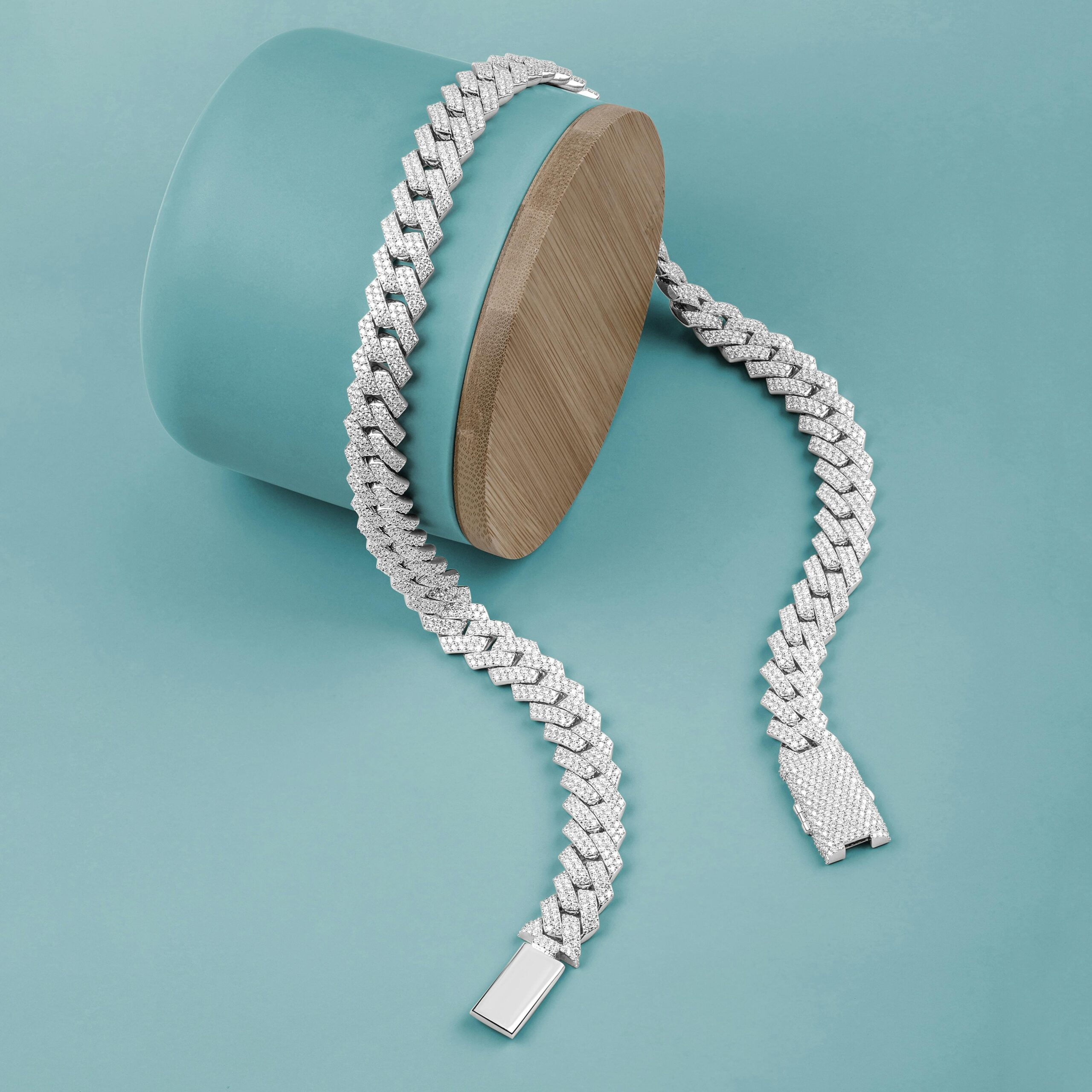
- Setting Method (Security vs. Cost): In the jewelry world, you get what you pay for. While “glue-on” stones are cheap, they often fall out, damaging your brand’s reputation. Hand-setting (such as Micro-Pave) under a microscope is more labor-intensive but ensures stones stay secure and offer maximum brilliance—a small increase in manufacturing cost that prevents massive after-sales losses.
- Multi-Stage Polishing: Not all polishing is equal. A simple flat band is easy, but designs with deep grooves, hollow structures, or intricate filigree require manual polishing in hard-to-reach areas. This multi-stage process ensures a mirror-like finish on every surface, which is essential for premium collections.
- Precision Part Assembly: If your design consists of multiple moving parts (like a locket or a 3D articulated pendant), it requires manual assembly, soldering, or laser-welded joints. This increases the risk of defects and requires highly skilled technicians, which is reflected in the assembly fee.
- Plating Quality & Longevity: Standard flash plating is inexpensive but fades quickly. High-quality Electroplating (like 18K Gold, PVD, or Rhodium) combined with a protective E-coating layer adds a slight premium to the cost. However, it significantly extends the product’s life and tarnish resistance, allowing you to position your brand in the “Affordable Luxury” segment.
💡 Production Insider Tip: > To reduce costs without losing the “wow” factor, try to design pieces that can be cast as a single unit rather than multiple parts that need assembly. This significantly cuts down on labor fees while maintaining a high-end look.
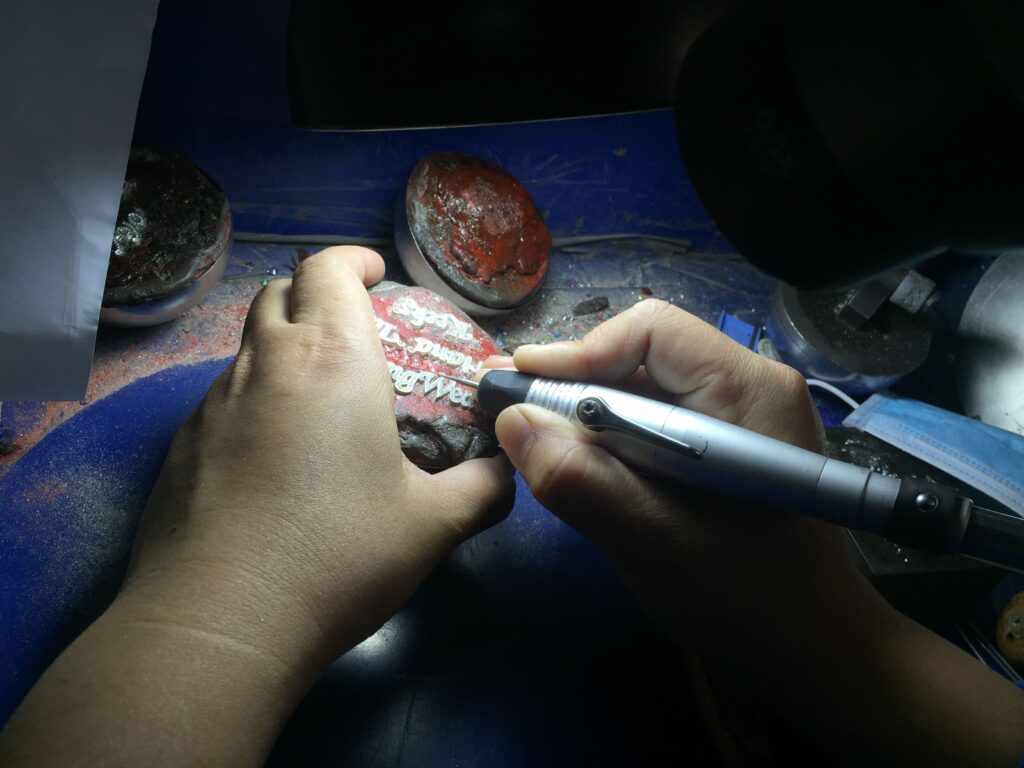
Get a Clear Quote for Your Custom Jewelry
Tell us your idea — we’ll help you estimate the cost quickly.
No obligation. We reply within 24 hours.
3. Order Quantity & The “Economy of Scale”
In manufacturing, the unit cost is heavily influenced by “setup time.” Whether we make 1 piece or 100 pieces, the design preparation, machine calibration, and mold testing take the same amount of effort.
- Small Batch (Low MOQ): Higher per-piece cost but significantly lower inventory risk. This is the best strategy for testing new designs or launching a startup.
- Bulk Orders: As the quantity increases, the “setup cost” is spread across more units, leading to a much lower Landed Cost.
👉 Insider Tip: To get the best of both worlds, start with a low MOQ to validate your market, then scale up to bulk orders for your “hero products” (best-sellers) to maximize your profit margins.
4. Customization & Brand Identity
Customization is how you stand out from “AliExpress-style” generic jewelry. However, each layer of customization adds a step to the production line.
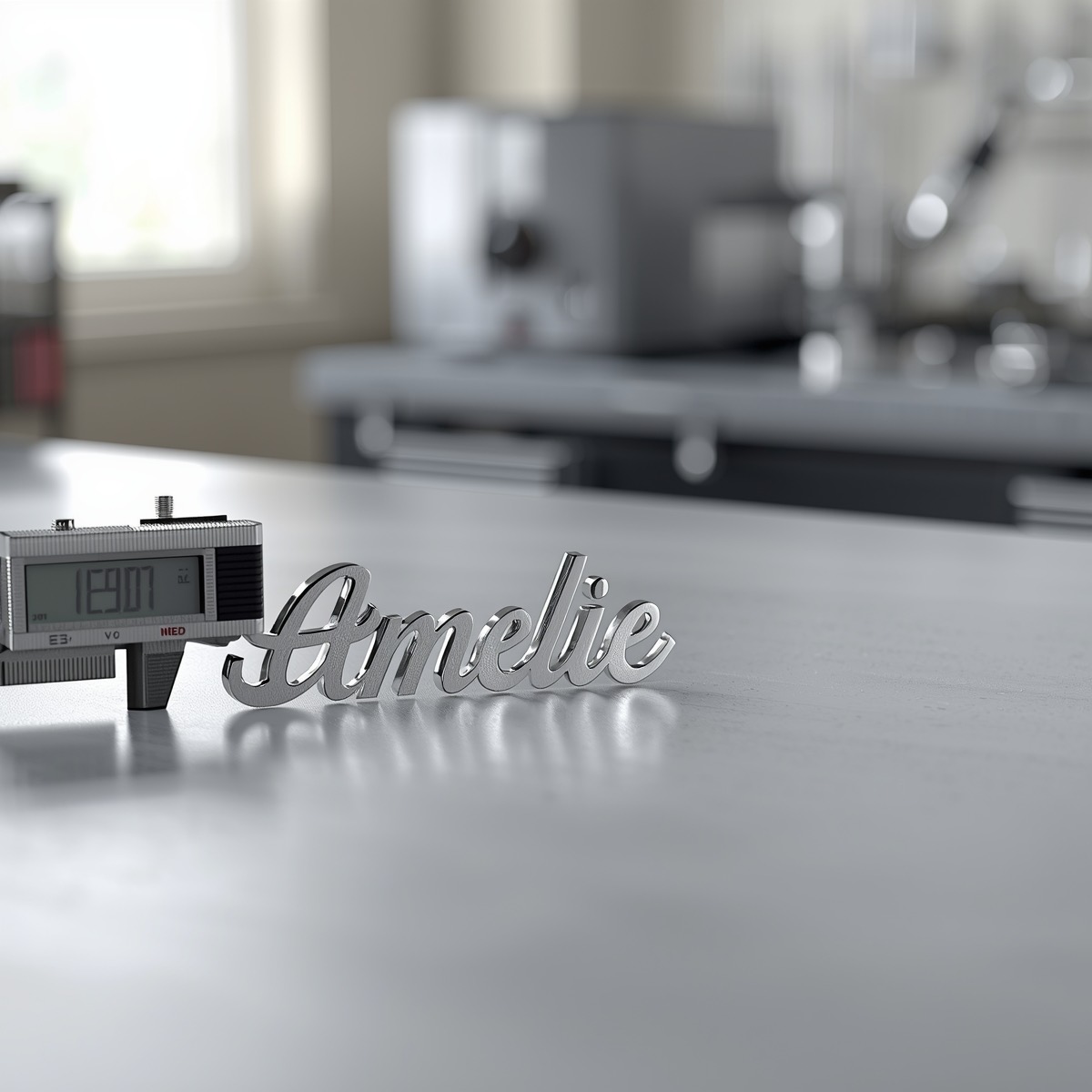
Custom Fonts & Shapes: For personalized name necklaces, unique fonts can be a key selling point. While they don’t significantly increase cost, they require precise Vector File (AI/PDF) preparation. If you want to know more, please check our custom name necklace manufacturer page.
Logo Engraving: A cost-effective way to add brand value. Laser engraving is faster and cheaper, while stamped logos require a custom mold fee but offer a more premium, “high-jewelry” look.
5. Packaging: The “Unboxing Experience”
Packaging is your silent salesperson. It’s often the difference between a $15 product and a $49 brand.
Premium Gift Sets: Includes cleaning cloths, thank-you cards, and high-end velvet inserts. This allows you to charge a premium retail price.
Standard Eco-Pouches: Low cost, low shipping weight. Perfect for “daily wear” brands.
Custom Logo Boxes: Increases the Perceived Value immediately. Customers are more likely to share your product on Instagram if the box is “gift-ready.”
Get more information from our private label jewelry manufacturer page.
Design & Development Cost (CAD vs. Simple Design)
For custom name jewelry (such as name necklaces), design is usually simple and does not require CAD development.For most small brands focusing on Name Jewelry, the design cost is minimal because it’s text-based.
Complex 3D Structures: If your design involves multi-layers, realistic animal shapes, or complex interlocking parts, a CAD (Computer-Aided Design) fee is required. This covers the hours a technician spends building a 3D digital model for the casting mold.
Name Jewelry: No CAD fee. We use professional design software to provide flat previews for client approval.
Typical Price Range (Realistic Reference)
Custom jewelry pricing varies significantly depending on materials, design, and order model.
For personalized name necklaces:
- Stainless steel name necklaces (customized per order): typically retail in the range of $10 – $29+
- Pricing depends on plating, chain style, packaging, and market positioning
👉 Note: Manufacturer pricing and retail pricing are different, and final costs depend on quantity, specifications, and business model.
For more complex custom jewelry designs:
- Pricing cannot be standardized
- It depends on design complexity, material, production process, and quantity
👉 For accurate pricing, it is always recommended to request a quote based on your specific requirements.
Custom Jewelry vs Wholesale Pricing
| Feature | Custom Jewelry (Private Label) | Wholesale (Ready-to-Ship) |
| Profit Margin | High (Unique value) | Low (Price competition) |
| Brand Loyalty | Strong (Hard to replicate) | Weak (Customers shop for lowest price) |
| Initial Risk | Slightly higher (MOQ required) | Low (Buy as you go) |
👉 If you want long-term brand growth, custom jewelry is worth the investment.
Strategic Advice: How to Maximize Your ROI on Custom Jewelry
Navigating the cost of jewelry manufacturing is about finding the “sweet spot” between high perceived value and manageable production costs. Based on our experience working with hundreds of startups, here is the best roadmap for growth:
- Phase 1: Start with “Predictable” Designs For personalized name jewelry, the cost structure is simple and predictable. It’s the safest way to enter the market without worrying about complex CAD fees or assembly errors.
- Phase 2: Leverage Low MOQ for Market Testing Don’t tie up all your capital in massive inventory. Use Low MOQ suppliers to test which designs or materials (e.g., Stainless Steel vs. 925 Silver) resonate most with your audience. This keeps your cash flow healthy.
- Phase 3: Scale Through Strategic Upgrades As your brand grows, don’t just add complexity—optimize. Upgrade to Premium Packaging first, as it increases your retail price potential more effectively than adding expensive metal weight to the jewelry itself.
💡 Final Verdict for Small Brands: Every custom design is unique. While personalized name pieces follow a standard pricing model, one-of-a-kind custom jewelry should always be evaluated case-by-case to ensure technical feasibility and cost-efficiency.
Ready to start your brand? Explore [our Low MOQ Custom Jewelry Service] to see how we provide flexible production and transparent pricing for growing businesses.
Ready to Get a Quote for Your Custom Jewelry?
We focus on transparent and realistic pricing to help you build a sustainable jewelry business with low MOQ, flexible production, and clear pricing.👇