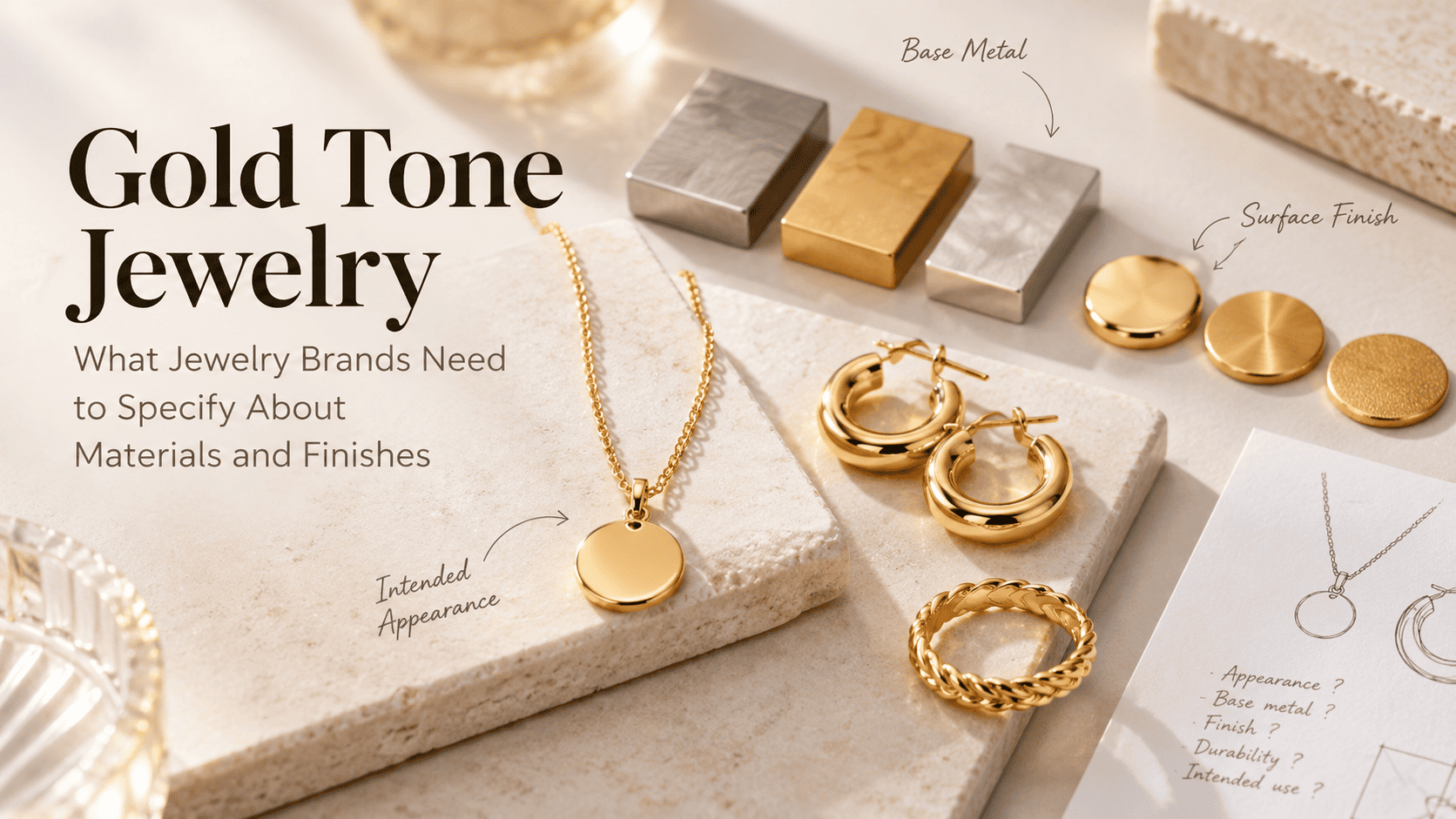
Beyond Gold Tone: What Jewelry Brands Need to Specify About Materials and Finishes
A jewelry brand may approach a manufacturer with a clear product image and a seemingly straightforward request: “We want this necklace in a gold tone.”
A jewelry brand may approach a manufacturer with a clear product image and a seemingly straightforward request: “We want this necklace in a gold tone.”
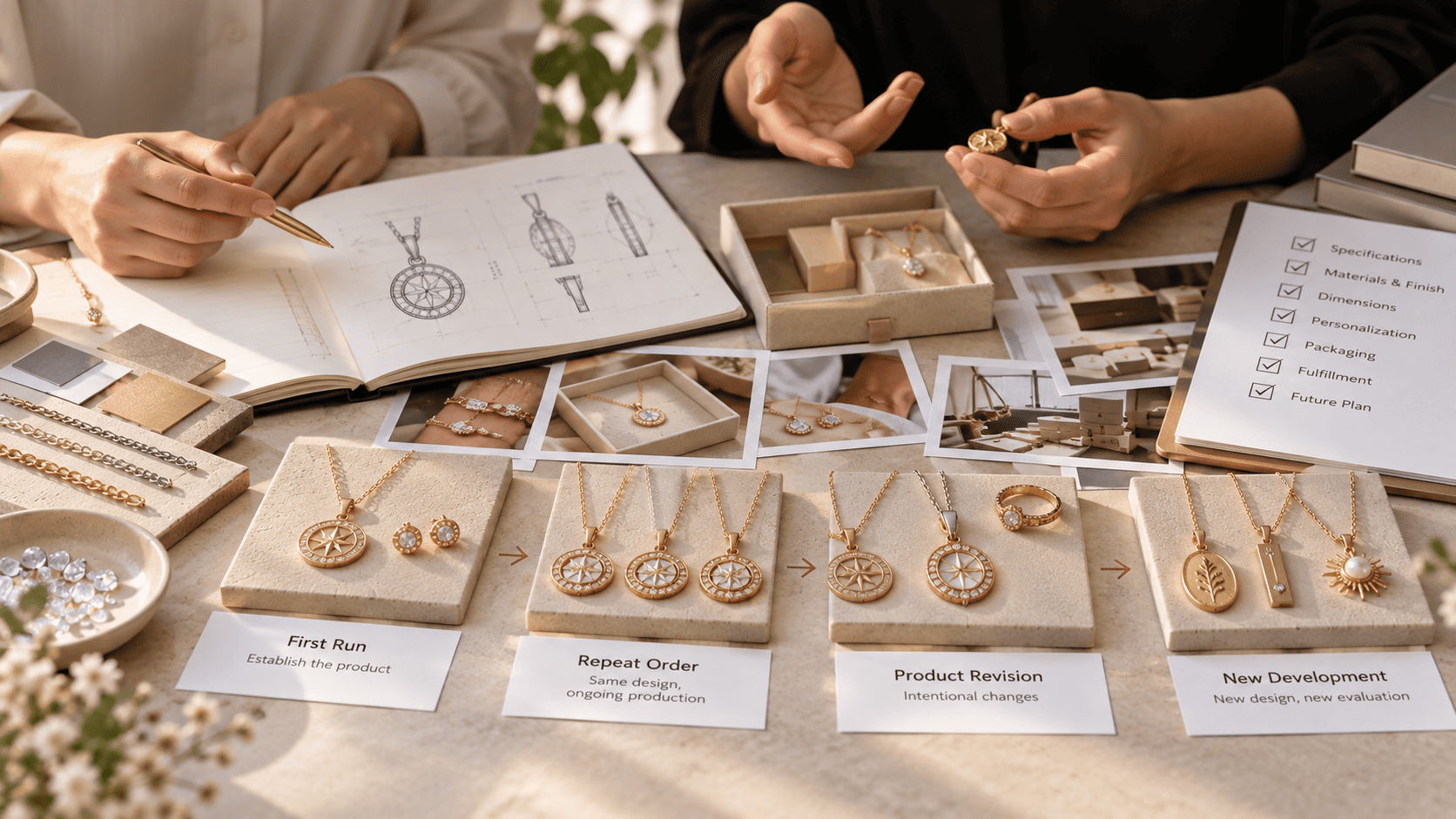
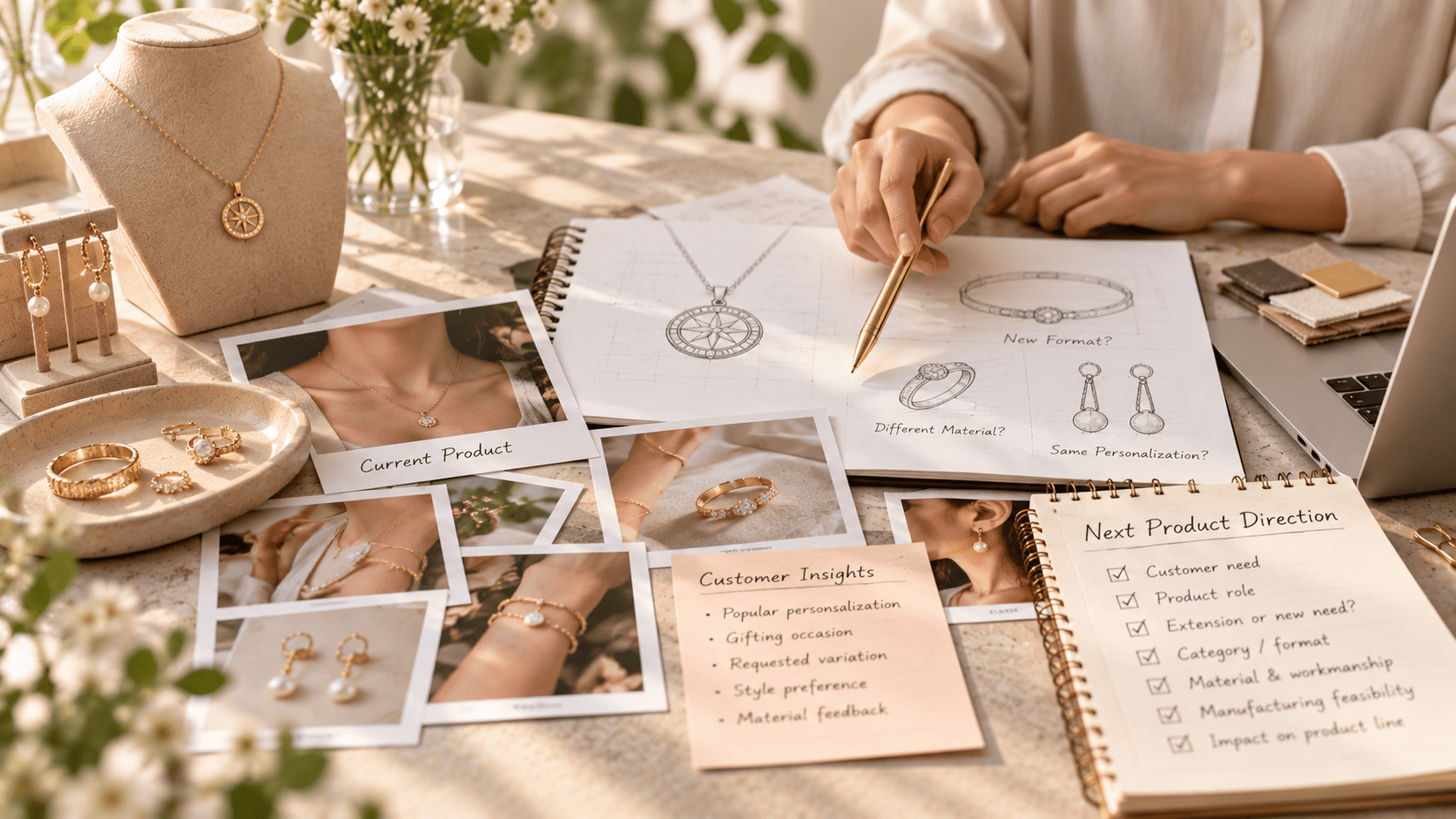
Once a jewelry brand has evidence that expanding beyond its first validated product makes sense, a different question appears: What should the next product actually

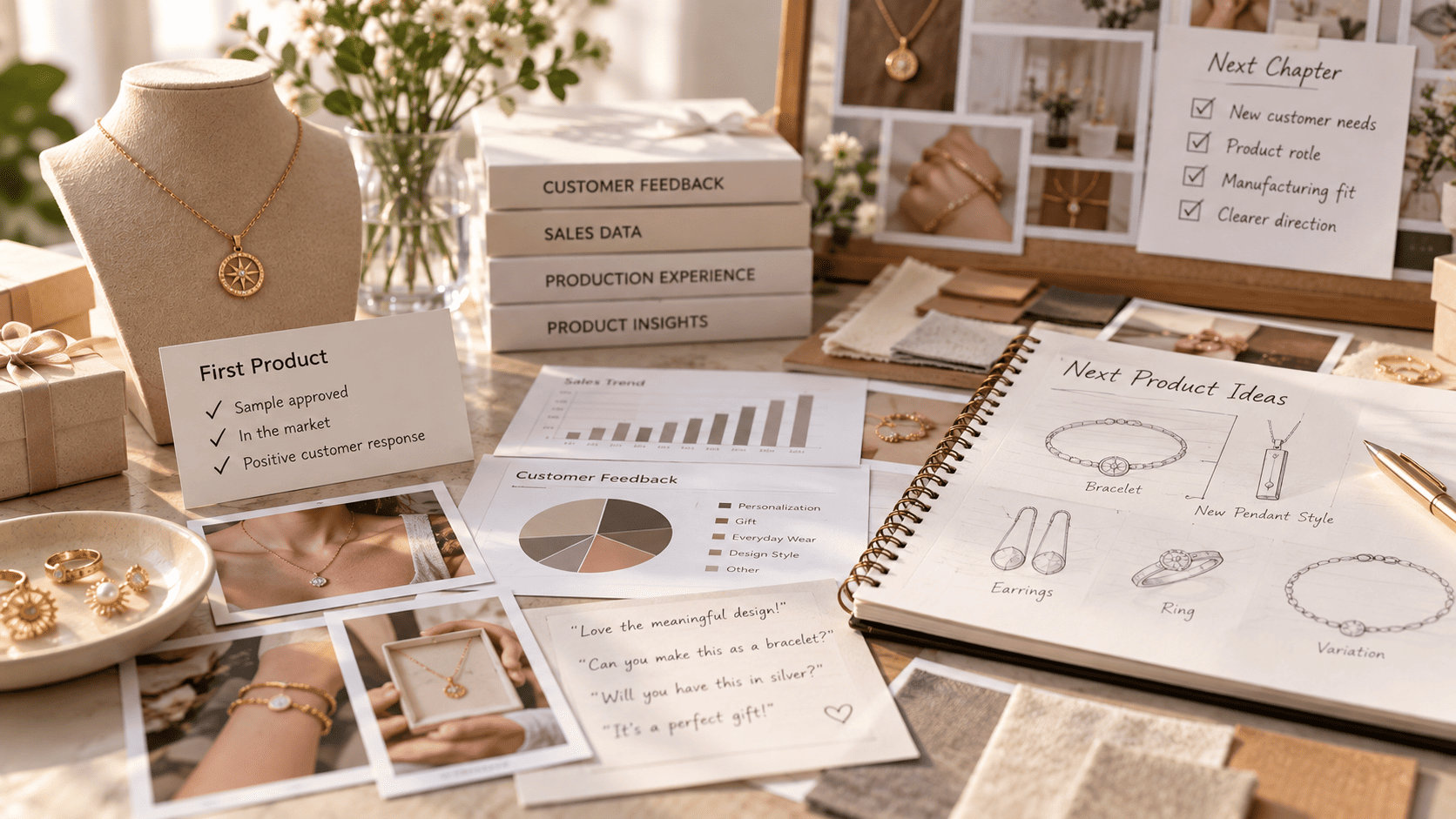
Launching the first jewelry product creates a natural temptation to think about what comes next. The sample has been approved. The product has entered the

Completing the first production run changes the relationship between a jewelry brand and its manufacturer. Before that point, much of the work is about building

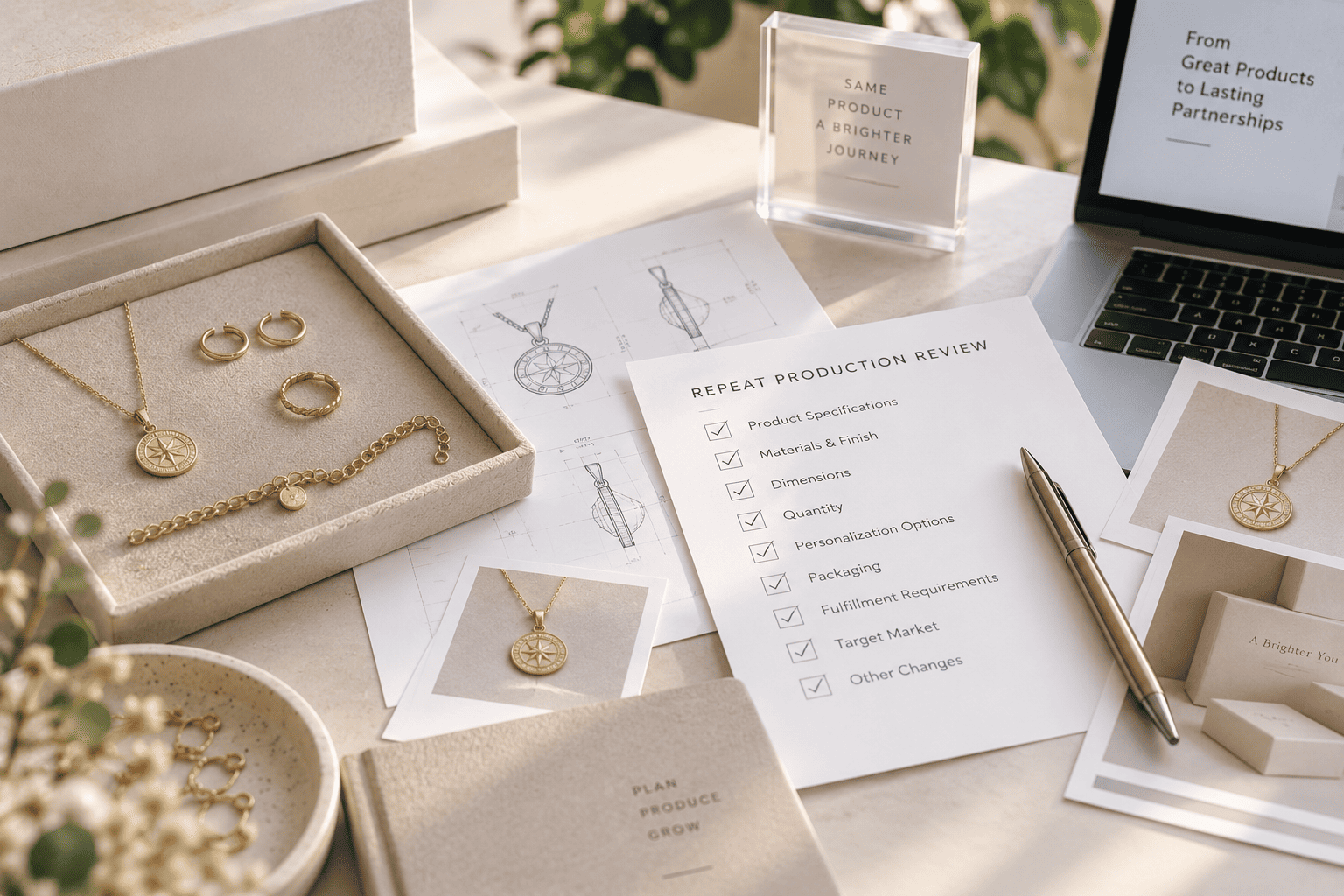
The second production run of a jewelry product is different from the first. The product has already gone through development, sampling, production, and perhaps months

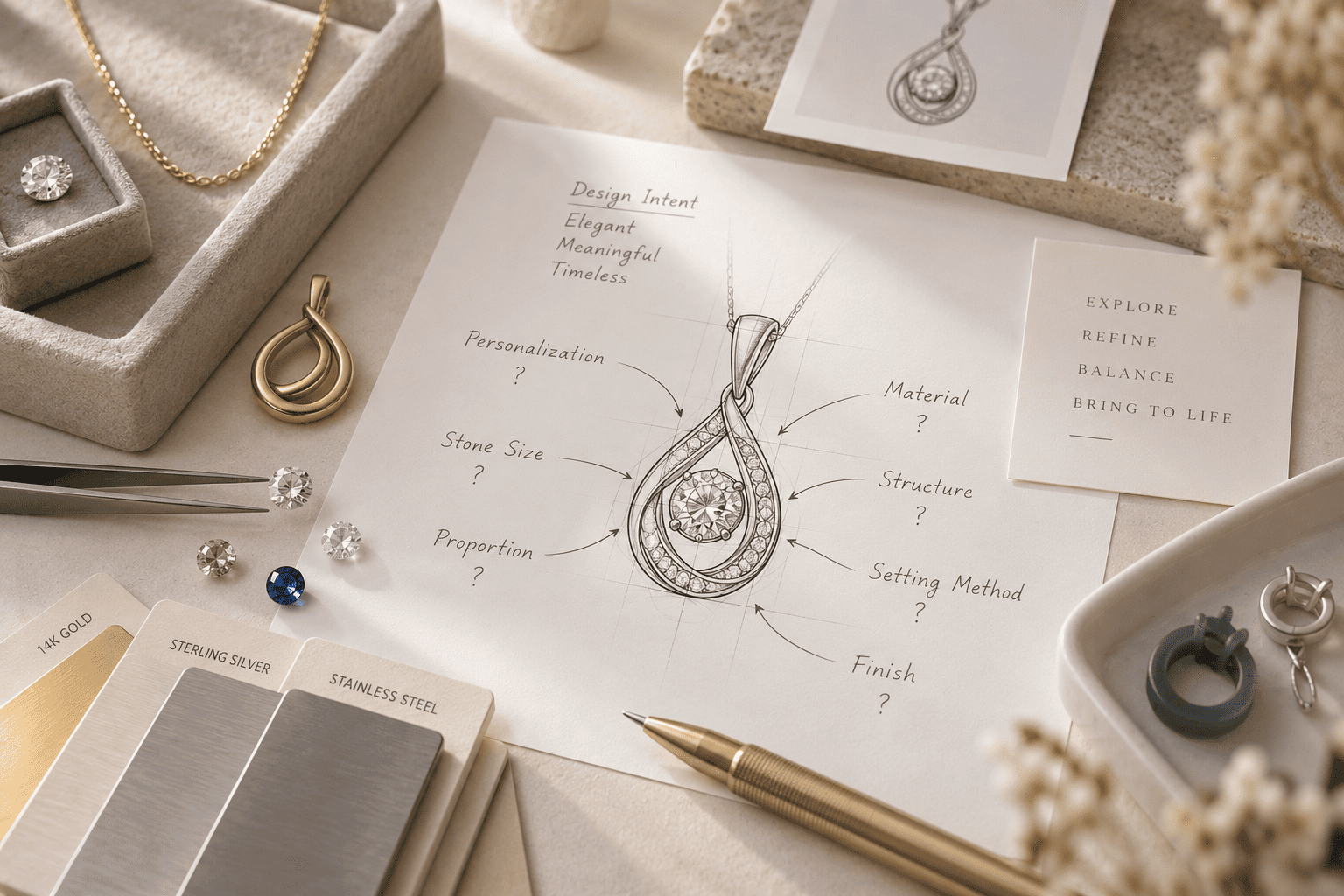
In complex custom jewelry development, the challenge is not always that one requirement is particularly difficult. Often, it appears because several reasonable requirements need to

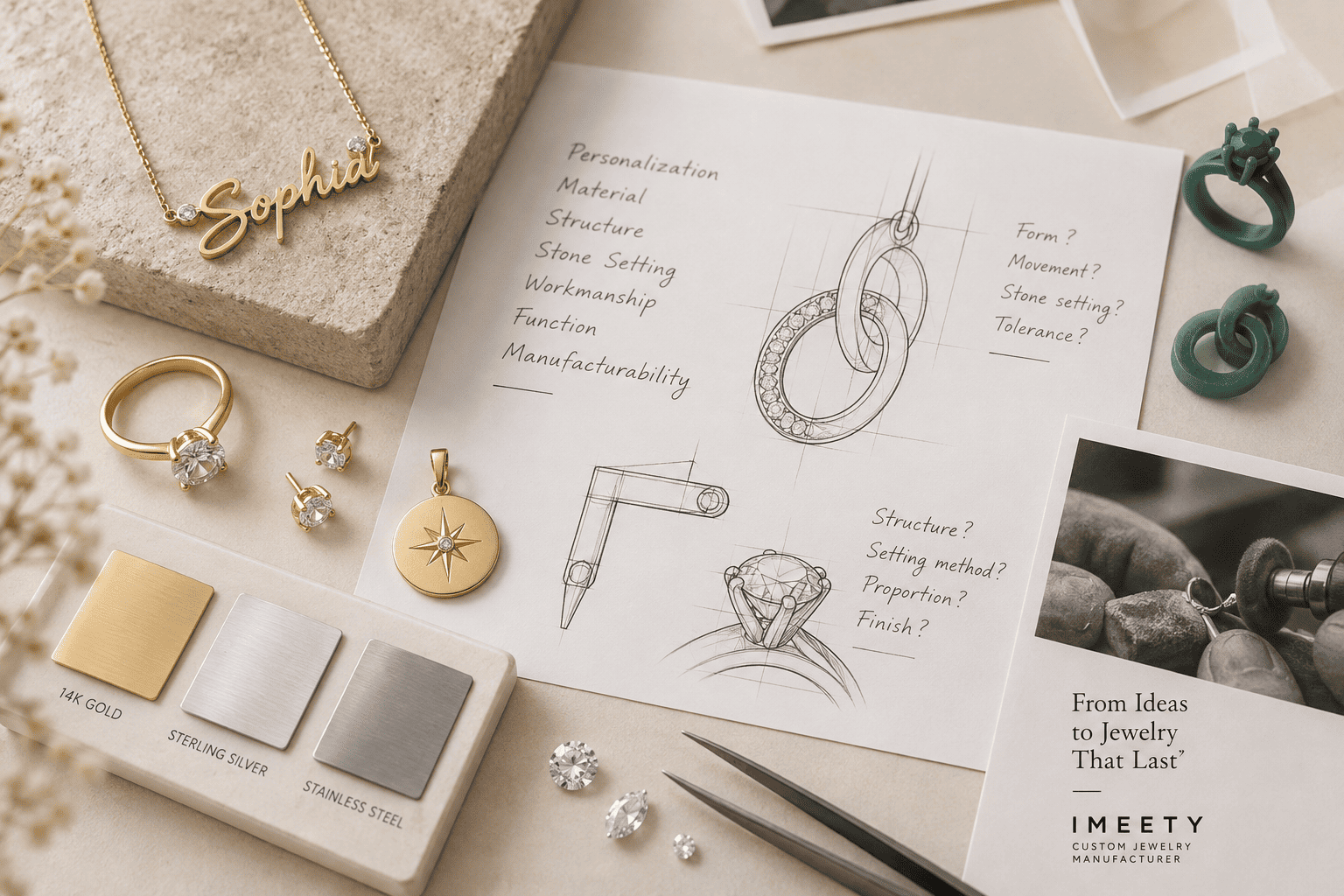
Some custom jewelry designs look complicated immediately. They may contain multiple stones, detailed lettering, layered components, unusual shapes, or several decorative effects. Other designs look

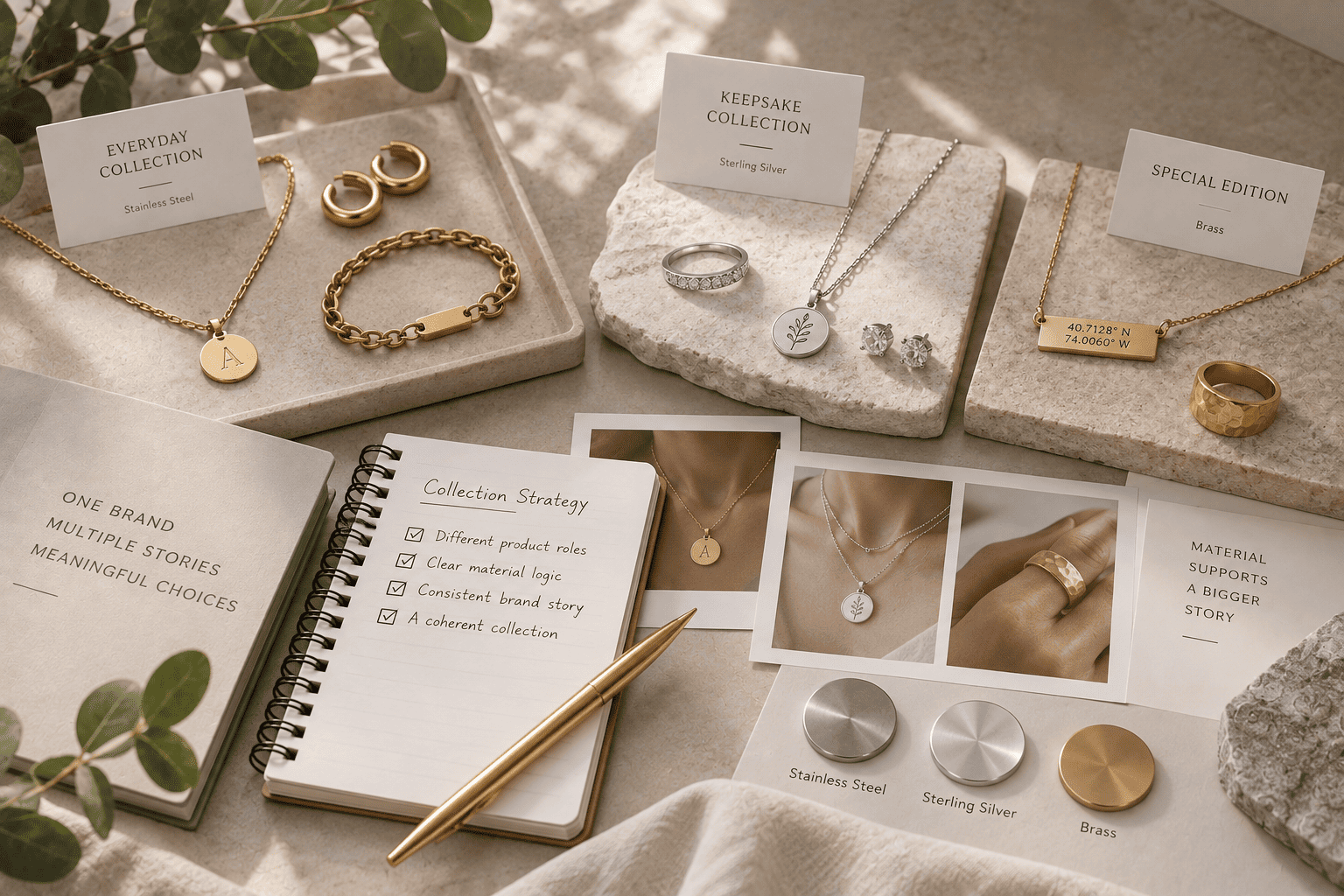
A jewelry brand often begins with a relatively simple material strategy. Perhaps your first personalized collection is made primarily in stainless steel. Or your brand

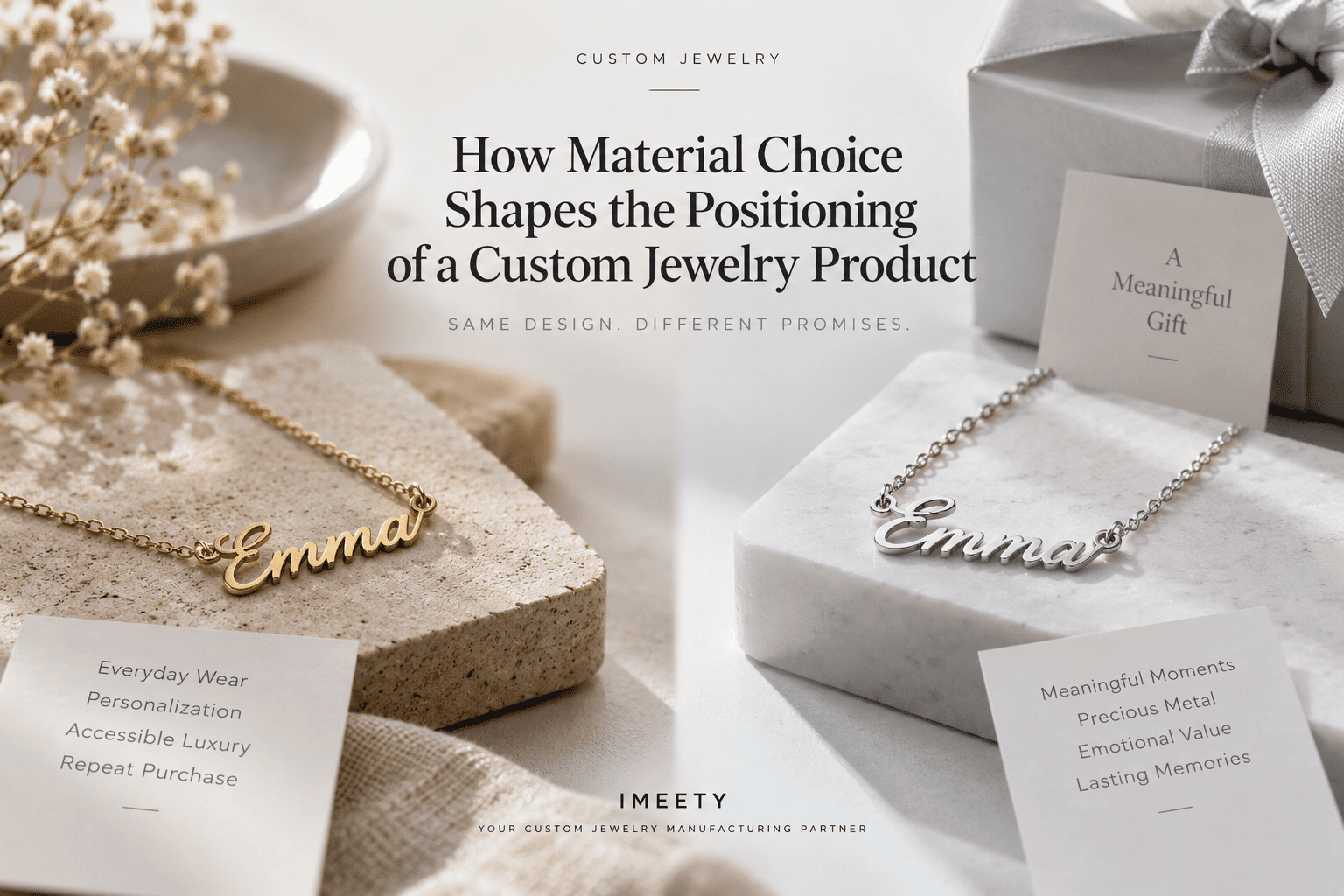
When developing a custom jewelry product, material selection can look like a technical decision. Should the piece be made in stainless steel, sterling silver, brass,
Tell us your idea — we’ll reply within 24 hours.
No obligation. We reply within 24 hours.