How Jewelry Brands Move from Random Production to Structured Manufacturing Systems
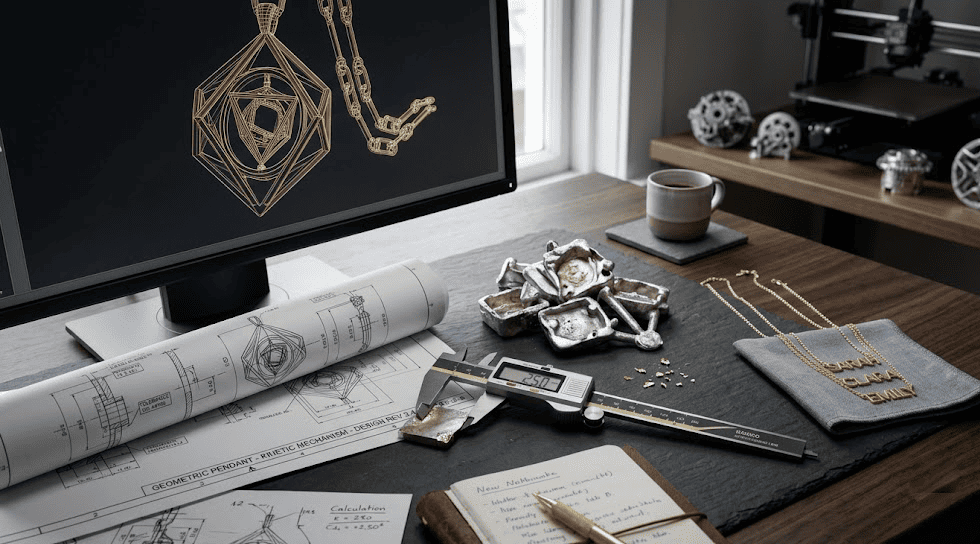
Most jewelry brands don’t fail because of design. They fail because they get trapped in supply chain chaos. When you are just starting out, relying

Most jewelry brands don’t fail because of design. They fail because they get trapped in supply chain chaos. When you are just starting out, relying

Most jewelry brands launch with a single hero product—a trending custom name necklace, a viral identity bracelet, or a hyper-focused capsule collection. But the real

The personalized jewelry market is no longer just a passing trend—it has evolved into a high-margin, algorithmic goldmine driven by viral social commerce. Among all

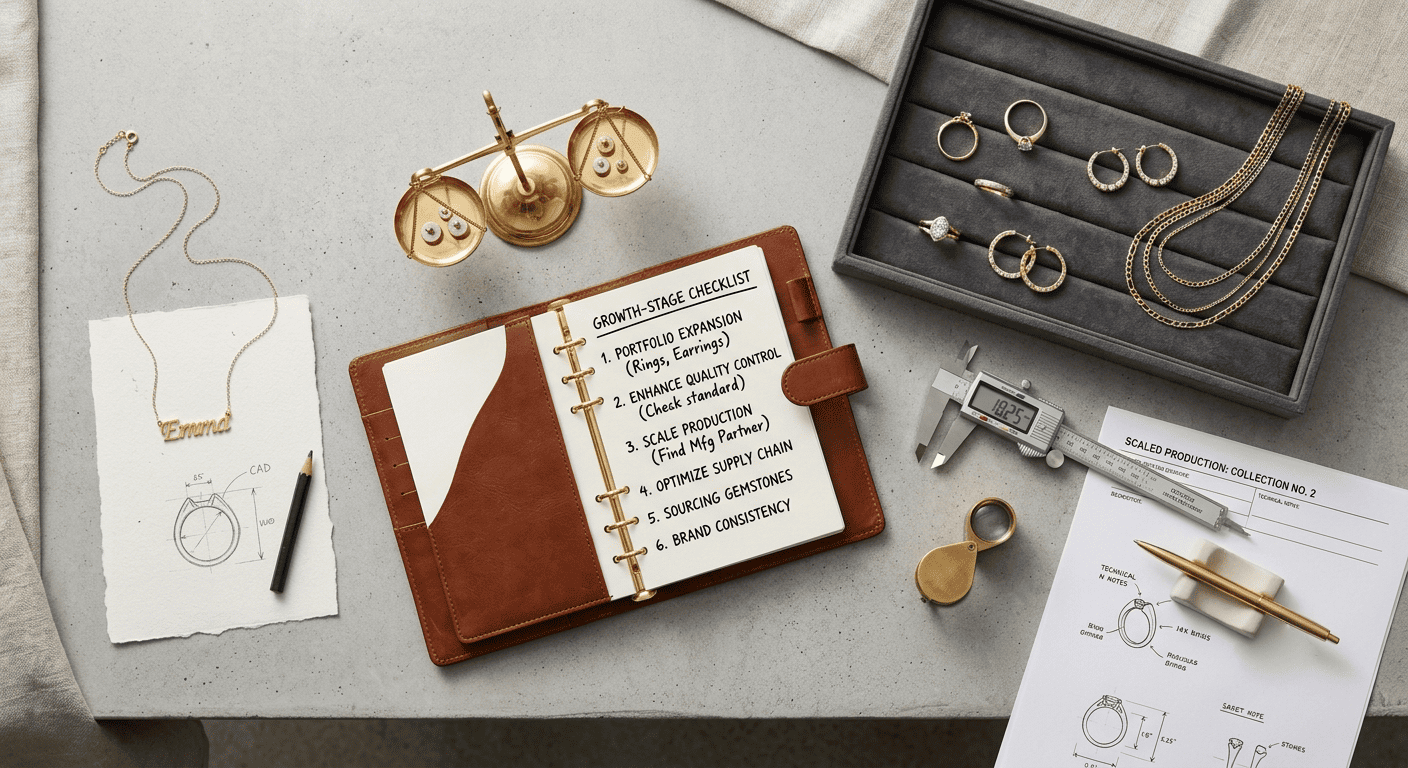
Many jewelry brands start with wholesale, only to find their growth capped by low differentiation, shrinking margins, and endless price wars. Transitioning to private label

For early-stage e-commerce stores, open-market wholesale sourcing is the default path to market validation. It requires minimal upfront capital, zero product development overhead, and offers

In the hyper-accelerated landscape of social commerce, creative catalog design and baseline material quality are no longer enough to guarantee a jewelry brand’s survival. Today,

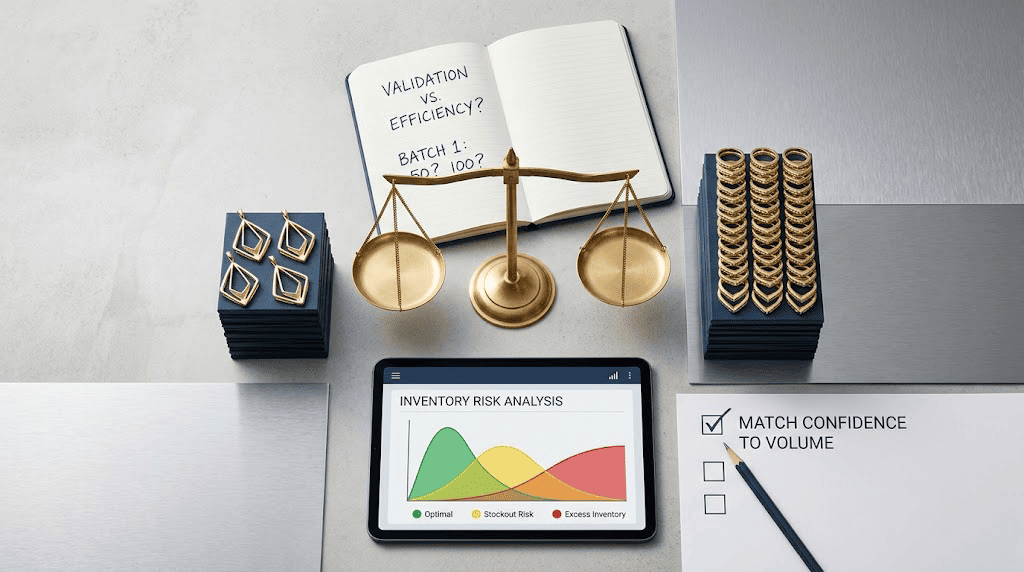
For modern e-commerce founders, launching a signature jewelry brand is no longer a challenge of creative marketing; it is a challenge of capital allocation. The

Sourcing open-market wholesale jewelry is an undeniably practical gateway for launching an e-commerce brand. For early-stage labels, curating existing factory catalogs provides a low-barrier method

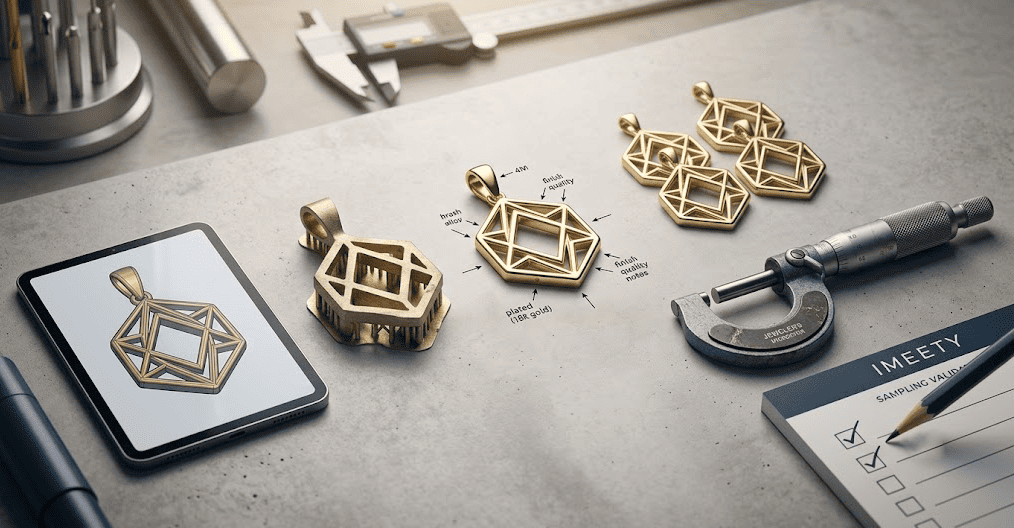
Historically, launching an exclusive jewelry capsule collection felt like a high-stakes financial gamble. Under legacy manufacturing setups, bringing a new design aesthetic to market required
We will contact you within 1 working day, please pay attention to the email with the suffix “@imeety.com”.